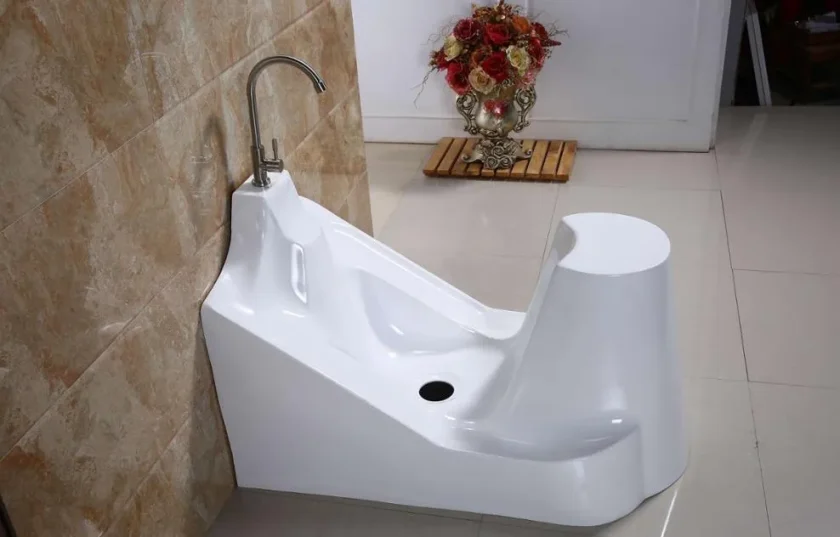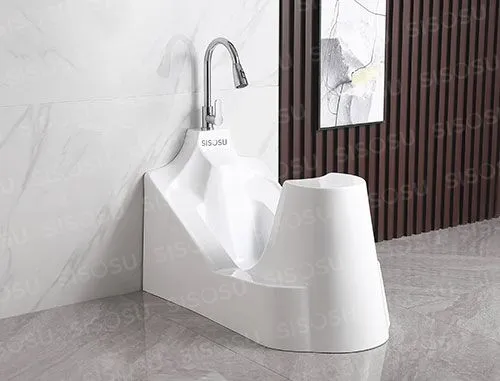
Commercial Islamic facilities such as mosques, airports, universities, and public prayer halls require ablution areas that can withstand continuous and heavy usage throughout the day. Unlike residential installations, these environments experience high traffic, frequent water exposure, and constant cleaning cycles, making durability a critical design and engineering priority.
A well-designed Ablution Wash Basin system must be capable of maintaining structural integrity, hygiene performance, and visual quality over long periods of use. Understanding the key durability factors helps architects, contractors, and facility managers select solutions that minimize maintenance costs while maximizing long-term performance.
Table of Contents
ToggleStructural Strength and Load Resistance
One of the most important durability factors is the ability of the basin system to withstand physical stress. Commercial environments often involve simultaneous use by multiple individuals, increasing structural load.
Key considerations include:
- Reinforced internal support structures
- Load distribution across multi-user units
- Resistance to impact from daily use
- Stable installation methods for long-term security
Strong structural engineering ensures that the system remains safe and functional even under heavy usage conditions.
Material Quality and Environmental Resistance
The materials used in ablution wash basin construction directly influence durability. High-quality materials are essential for resisting water exposure, cleaning chemicals, and environmental changes.
Durable material characteristics include:
- Non-porous surfaces that prevent water absorption
- Resistance to cracking, staining, and discoloration
- Stability under humidity and temperature fluctuations
- Long-lasting surface integrity under continuous use
These properties significantly extend the lifespan of commercial installations.
Resistance to Moisture and Continuous Water Exposure
Ablution areas are constantly exposed to water, making moisture resistance a key durability requirement. Poor material performance can lead to swelling, deterioration, or surface damage over time.
Effective moisture-resistant designs feature:
- Sealed or seamless construction to prevent water infiltration
- Water-repellent surface technology
- Efficient drainage systems to reduce standing water
- Anti-corrosion components for plumbing integration
These features help maintain long-term reliability in wet environments.
Surface Durability and Wear Resistance
In high-traffic commercial facilities, surfaces are subject to constant friction, cleaning, and user interaction. Ensuring long-term surface quality is essential for both aesthetics and hygiene.
Surface durability factors include:
- Scratch and abrasion resistance
- Stain-resistant finishes for easy maintenance
- Smooth surfaces that reduce dirt accumulation
- Ability to withstand frequent cleaning cycles
These qualities ensure that basin systems remain visually clean and functional over time.
Maintenance Impact on Long-Term Durability
Durability is not only about material strength but also about how easy the system is to maintain. Poor maintenance practices can significantly reduce product lifespan.
Low-maintenance design benefits include:
- Easy-to-clean surfaces with minimal effort
- Reduced need for chemical cleaning agents
- Repairable surface structures for long-term use
- Accessible plumbing systems for quick servicing
Efficient maintenance directly contributes to extended durability in commercial environments.
Design Efficiency and Structural Longevity
Good design plays a major role in ensuring durability. Poorly designed systems may experience uneven wear, water pooling, or structural stress points.
Durable design principles include:
- Optimized drainage to prevent water accumulation
- Ergonomic layouts that distribute usage evenly
- Seamless construction to reduce weak points
- Balanced spacing in multi-user configurations
These factors help maintain consistent performance over time.
Environmental Stress and Usage Conditions
Commercial ablution facilities operate under varying environmental conditions, which can impact durability. Systems must be designed to handle these fluctuations effectively.
Environmental challenges include:
- High humidity levels in enclosed spaces
- Temperature variations in different regions
- Continuous heavy user traffic
- Exposure to cleaning chemicals and disinfectants
Durable systems are engineered to perform reliably under all these conditions.
Lifecycle Cost and Durability Value
Durability directly influences the total lifecycle cost of ablution installations. While initial investment is important, long-term savings are achieved through reduced maintenance and replacement needs.
Lifecycle benefits include:
- Lower repair and maintenance costs
- Reduced downtime in public facilities
- Extended product lifespan
- Improved return on investment for facility owners
This makes durability a key decision factor in large-scale projects.
Export Demand for Durable Ablution Systems
Global demand for durable ablution wash basin systems continues to grow, especially in regions investing in large-scale Islamic infrastructure. Buyers prioritize long-lasting solutions that can withstand heavy usage.
Key export markets include:
- Middle Eastern mosque and religious facility projects
- Southeast Asian public infrastructure development
- African urban and community mosque expansion
- European Islamic cultural centers
Manufacturers offering durable solutions gain a strong competitive advantage in these markets.
Marketing Strategies for International Buyers
To succeed in global markets, manufacturers must highlight durability as a core product advantage. Decision-makers in construction projects prioritize long-term performance and reliability.
Effective marketing strategies include:
- SEO-optimized content focused on durability and commercial use cases
- Technical documentation outlining material and structural advantages
- Case studies demonstrating long-term installations
- Listings on global B2B and construction procurement platforms
These strategies help build trust and attract international clients.
Conclusion
Durability is a defining factor in the success of commercial Ablution Wash Basin installations. From material selection and structural engineering to maintenance efficiency and environmental resistance, every aspect contributes to long-term performance. As global demand for modern Islamic infrastructure continues to grow, durable and well-engineered systems are essential for ensuring efficiency, hygiene, and cost-effectiveness. Manufacturers and exporters who prioritize durability are best positioned to succeed in competitive international markets.